Feb 13, 2025
6 min read
The Psychology of Colors in Graphic Design: How to Influence Emotions and Engagement
Colors are not just aesthetic choices in graphic design; they have psychological effects that influence how people feel and behave. Understanding the psychology behind colors can help designers create more effective visuals that evoke specific emotions and drive engagement.
Colors are not just aesthetic choices in graphic design; they have psychological effects that influence how people feel and behave. Understanding the psychology behind colors can help designers create more effective visuals that evoke specific emotions and drive engagement.
How Colors Influence Emotions
Each color carries an emotional and psychological impact. Here’s how different colors are typically perceived:
Red: Passion, urgency, excitement, love. It’s often used in marketing to create a sense of urgency (e.g., sale banners, clearance events).
Blue: Trust, calm, professionalism. It’s commonly seen in corporate branding and social media platforms like Facebook and LinkedIn.
Yellow: Happiness, optimism, energy. It grabs attention and is often used for cheerful branding.
Green: Growth, nature, tranquility. Eco-friendly brands and wellness products frequently use green.
Purple: Luxury, creativity, wisdom. High-end brands and beauty products often use purple to create a sense of sophistication.
Black & White: Elegance, simplicity, modernism. Monochrome palettes are widely used for minimalist branding and luxury products.
Color Combinations in Design
Colors don’t work alone; their combinations determine the overall impact of a design.
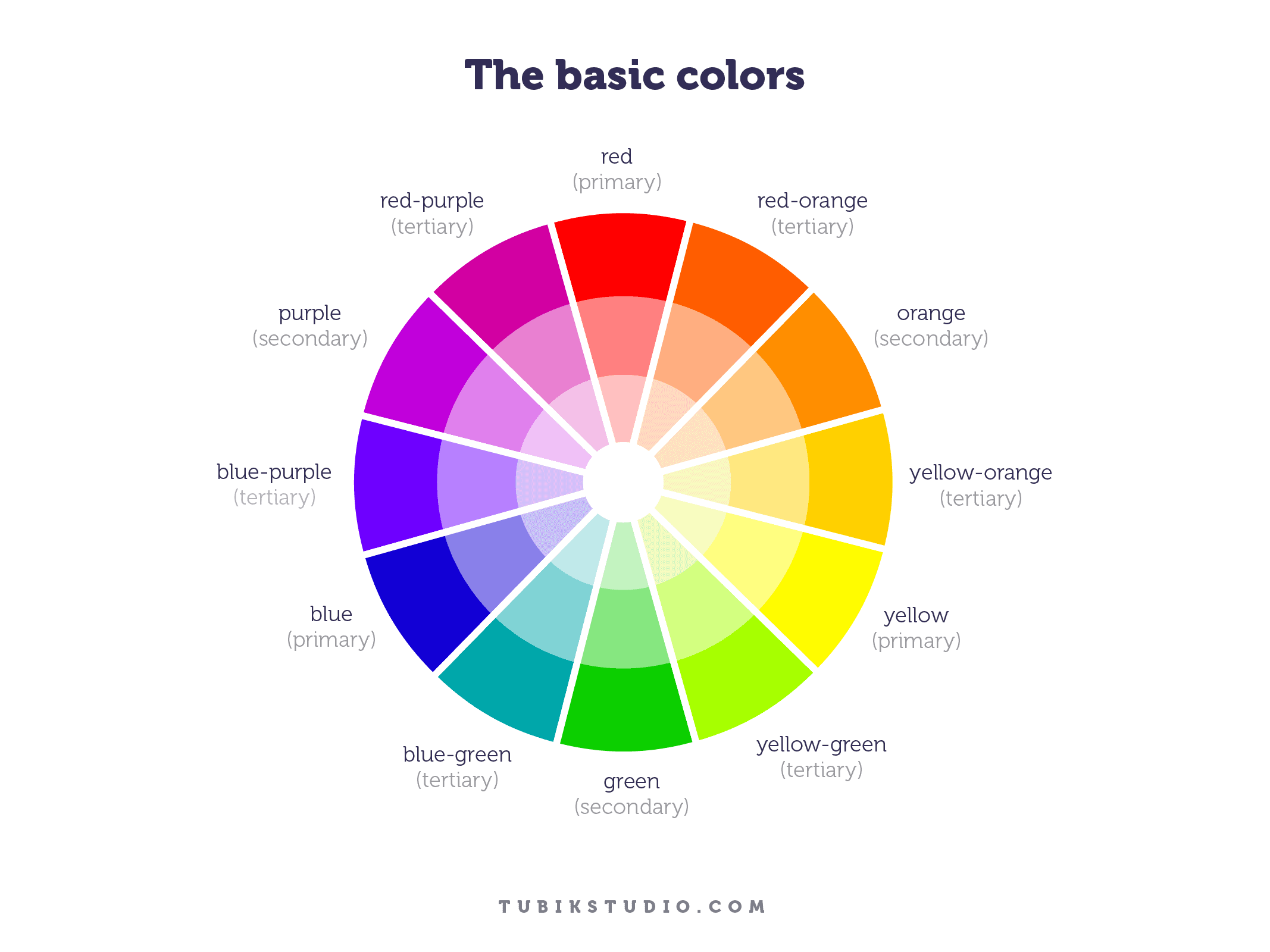
Complementary Colors: Colors opposite each other on the color wheel (e.g., blue & orange) create high contrast and vibrancy.
Analogous Colors: Colors next to each other on the wheel (e.g., blue, teal, green) offer a harmonious, natural look.
Monochromatic Colors: Different shades of a single color create a sleek, unified appearance.
Cultural Interpretations of Colors
Cultural differences impact how colors are perceived. For example, while white symbolizes purity in Western cultures, it represents mourning in some Asian traditions. Designers working on international projects must consider these cultural variations to avoid misinterpretation.
Color in UI/UX Design
Colors affect usability and user experience. Bright, warm colors often highlight CTAs (Call-to-Action buttons), while softer, neutral colors improve readability. Understanding color psychology can make designs more functional and visually appealing.